
Solomon Dental Group is now Sagewood Dental Group. New name, same great team!
Carin J. Solomon, DDS
Solomon Dental Group is now Sagewood Dental Group. New name, same great team!
Rebecca Macksey, DDS
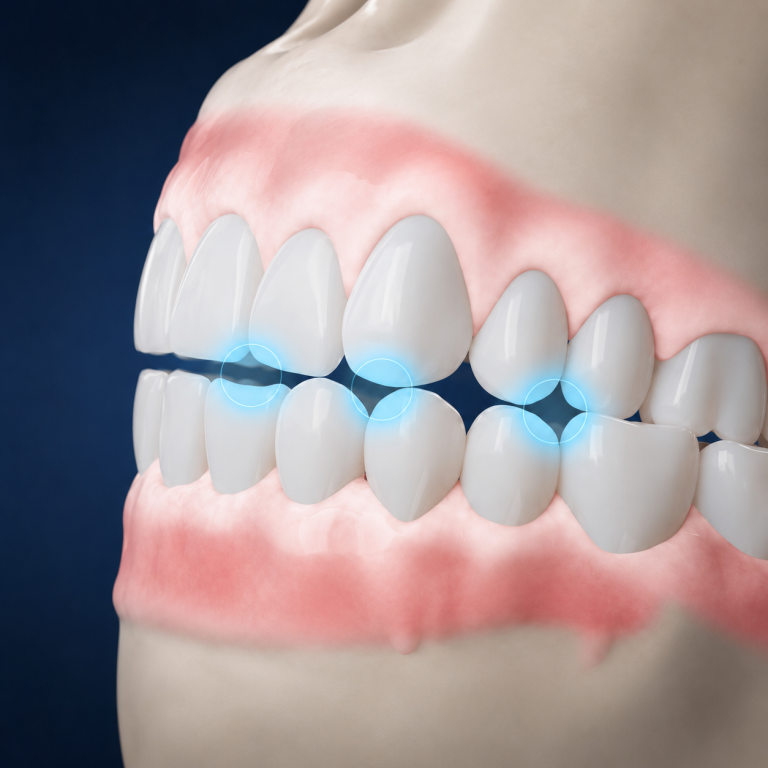
A bite adjustment is a simple dental procedure that smooths or reshapes small areas of your teeth so they come together evenly and more balanced.
Teeth are strong, but they are not designed to handle concentrated forces in one area for an extended period of time.
When force is not evenly distributed, it can lead to enamel wear, small fractures, sensitivity, and stress on dental work like crowns or fillings. Jaw muscles may also become strained, contributing to soreness and fatigue.
A bite adjustment is a simple solution to an imbalanced bite where your dentist makes small changes to the top surface of your teeth so they come together more evenly and comfortably, helping reduce pressure, balance the bite, and relieve discomfort when you bite or chew.
When these symptoms persist, they often indicate that your teeth are not coming together evenly.
When that balance is unstable or disrupted, it is called malocclusion.
Malocclusion can range from very subtle to more complex and may include:
Even minor differences in how teeth meet can create repeated stress that affects long term function.
Did you know?
According to the Cleveland Clinic, malocclusion is a common dental issue affecting an estimated 56 percent of people worldwide. In fact, up to 93 percent of children and adolescents have some degree of bite misalignment.
A bite evaluation is a simple part of your routine dental visit, but it plays an important role in protecting your long term oral health.
Your dentist assesses how your teeth come together and looks for signs of uneven forces, such as wear patterns, areas of sensitivity, or teeth that are under increased stress. They may also ask about symptoms like jaw tension, headaches, or discomfort when chewing. In some cases, digital scans can be used to better understand the unique motion of your bite.
This type of evaluation is not just about addressing discomfort. It is about detecting small imbalances early, before they lead to wear, fractures, or more complex issues that require significant treatment.
Did you know?
According to the American Journal of Orthodontics and Dentofacial Orthopedics, certain types of bite misalignment, such as severe overjet or crossbite, have been linked to issues like difficulty biting, jaw function concerns, and speech related changes later in life.
Treatment is based on the cause of the imbalance, and in many cases, the solution is more simple than patients expect.
Did you know?
According to research published in the National Library of Medicine, certain types of bite misalignment can impact quality of life, especially affecting emotional confidence and social well being in children and adolescents.
Taking care of your oral health goes beyond appearance. A healthy bite plays an important role in how your teeth function every day.
Maintaining your regular dental visits gives your care team the opportunity to identify changes early and prescribe treatment that protects your teeth and comfort.
If your bite feels different or it’s been a while since your last visit, scheduling an evaluation is a simple step toward maintaining long term oral health. We are here to help keep your smile comfortable, functional, and healthy!